

Over the past few years there has been an increase in the number of people who are delving into the power of the cold to support their own health and wellbeing. A driving force behind this has been the Dutch extreme athlete, Wim “Ice Man” Hof, who has made a name for himself by taking on challenges to demonstrate that the body is capable of more than most people ever give it credit for.
You may perhaps have seen posts on social media from elite athletes, celebrities and wellbeing influencers who wax lyrical about the benefits of cold plunging. Perhaps you have friends who do it or have read about it and now are curious about how to get started. That’s where I can help with this beginners guide to the cold.
Safety first
The cold, whilst it can be amazing and offer incredible health and wellbeing benefits, it can also be dangerous to those with certain medical conditions. If, for example, you have heart issues, high blood pressure, kidney failure or have recently had surgery – please seek advice from your medical professional before starting any cold exposure practices.
Start simply
The best way to start your journey into the cold is with your daily shower. Shower as you normally would with warm/hot water. Then at the end, just before you step out of the shower, turn the temperature down. Keep your head out of the flow of water to start with – just let the cold water flow over your body. To start with aim for 10 seconds and gradually, over the coming days and weeks extend the length of time up to perhaps two minutes. Once your body has adjusted and is used to the cold – only then consider putting your head under the flow of cold water. Putting your head under will make it a more intense experience and should only be done when you feel more confident in the cold.
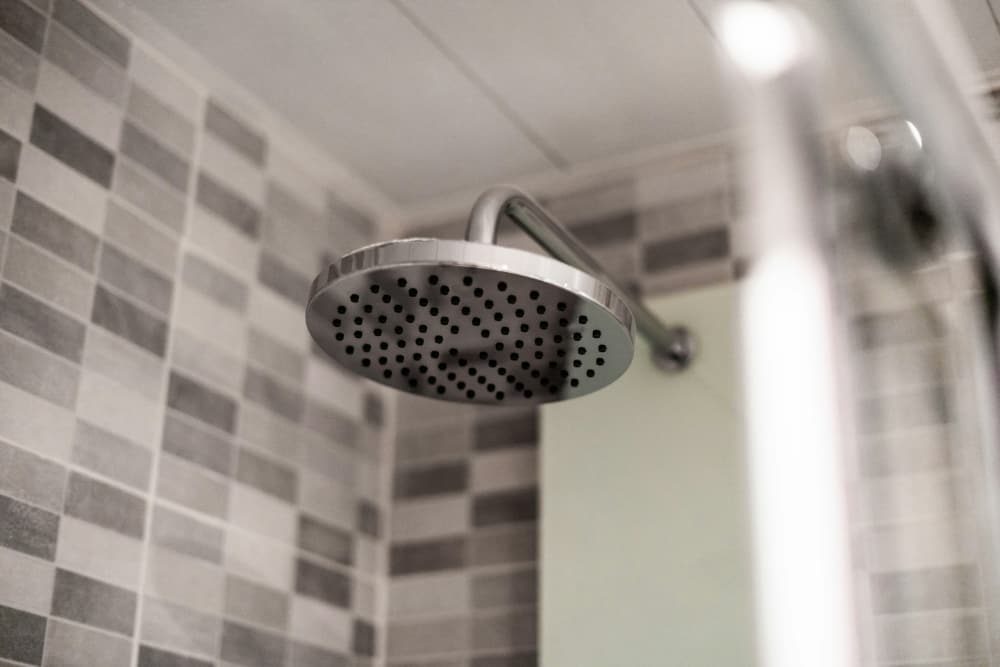
If you struggle with osteoarthritis in your knees, or have hip or back pain for example – target the shower on those problem areas. The short burst of cold can help ease any inflammation. As someone with bad knees – using cold water on my knees on a daily basis has eased pain and discomfort from a torn meniscus in one knee and osteoarthritis in the other.
It won’t take that long for your body to adapt to the cold burst at the end of your shower – you may even start to enjoy the sensations that come with it! Now it’s time to take the next step – a cold plunge.
Take the plunge
When you’re ready to take the next step by trying a cold plunge – always make sure someone is there with you so they can help you if needed. For safety, if possible, I’d recommend doing your first cold plunge in a bath or cold pod (not in open water). Yes – your body will be used to the cold by this stage but a full body immersion into cold or iced water will still be a shock to your system. Being in a controlled environment such as a bath tub or cold plunge pool makes it much easier should you need help getting out.
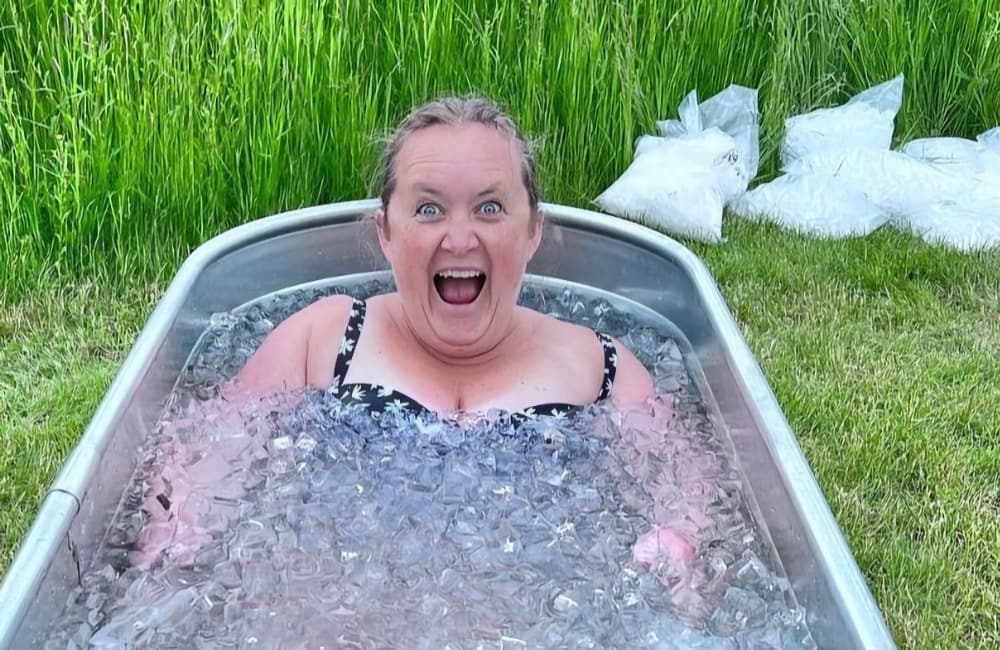
If you can, let your first cold plunge be part of a Wim Hof Method Fundamentals workshop. Full disclosure at this point – I am a Wim Hof Method Instructor and will always advocate for the practice. There are other training courses instructors can do to guide people through cold exposure practices, but none cover the same depth of learning and safety protocols as the Wim Hof Method. By attending a workshop with someone who is a certified Wim Hof Method Instructor you can be 100% sure that your safety is their priority and they know what they are talking about!
If you can’t get to a Wim Hof Method workshop – your local sauna may also have a cold plunge that can be used.
When you’re ready to plunge follow these simple steps:
- Stand beside the cold plunge and bring your attention and focus to what you are about to do. Picture stepping into the cold water and then sitting down in it. Then picture standing up, getting out and knowing you’ve done something amazing.
- Bring your attention to your breath. On an inhale step into the cold plunge and then on the exhale, sit down into the cold.
- The quicker you can get your shoulders under the water (or as close to it as you can) the easier it is on your body – your body gives your brain one single message of “I’m cold” and it knows how to react. When you only go waist deep your body is sending the brain mixed messages and it’s unsure how to react effectively.
- When you’re in the cold – focus on your exhale. Push your breath out as far as it will possibly go. This will help calm your mind and body.
- Unless you’re an experienced cold dipper, keep your head out of the water.
- Aim to be in the cold for no more than two or three minutes. Listen to your body. If you feel you need to get out after a minute (or less) – get out. It’s not a competition as to who can stay in the cold the longest!
- When you get out of the cold water – don’t put on layers, towel off or run straight into a sauna. Instead, do some exercise. You could do star jumps, jog on the spot or, if you want to truly follow the Wim Hof Method, give horse stance a try. What we are aiming for here is to work your larger muscle groups to help warm the blood back up again. Only when you feel warmer should you then consider grabbing your towel or extra layers.
Cold exposure is considered at temperatures of 15℃ and below – which is possibly warmer than you may have thought! Don’t worry too much about temperature – the higher it is, the longer you’ll find you can stay in, the colder it is, you’ll perhaps be wanting to spend less time in it. Studies have shown that women don’t actually need to have it as cold as men do to get the same effects.
Open water is calling
The next stage is heading out into cold open water – whether that’s a lake, river or the sea. Never do this alone – always make sure that someone is on dry land watching out for you.

Across the country there are many cold water swim groups, including the fabulously named Blue Tits. They will have community dips planned throughout the week (sometimes tide dependent) where newcomers are always made to feel very welcome.
The same applies with open water as does with a cold plunge – the quicker you can get your shoulders in, the quicker your body can respond and do what it needs to do to keep your core warm. This doesn’t mean that you have to dive head first into a wave – it may just be a case of crouching down in the shallows to allow your body to adjust to the cold before you start swimming.
As with your cold showers, build up the amount of time you’re in open water. Perhaps start with just a ten minute swim (or less if you feel that’s too much) and build it up each time.
With cold water swimming – make sure you’re kitted out appropriately for the conditions and the temperature. If necessary, wear neoprene gloves and socks to protect your hands and feet or invest in a wetsuit if it gets too cold for you.
When you get out, it’s the same as when you step out of the cold plunge – start exercising before anything else. Focus on warming the blood going through your extremities before getting changed. Horse stance is a great exercise to do this efficiently and effectively. In the past I’ve worked with open water swimmers who used to take an hour or more to warm up after a winter dip – with horse stance they found they were warm after around 20 minutes or so.
After you’ve warmed up, dried off and got changed – have something warming to eat and/or drink. If you feel that you start to feel the chill again – get straight back into doing some exercises to help warm you back up again.
Embrace the cold by staying dry
Everything I’ve talked about so far is about getting cold and wet. But if you’d prefer to miss the wet part – there are many other ways in which you can embrace the cold – especially in the winter months.
Turn the thermostat down or off – during the winter months your house doesn’t have to be toasty warm all the time. Allow yourself time each day without the heating on and embrace the chill. Remember that cold exposure starts at 15℃.
When you go outside, wear shorts or at least leave your coat behind. One of the highlights of winter travels with Wim Hof is a mountain hike where participants are invited to just wear their shorts (ladies can also wear a vest top).
Look to see whether there is a cryochamber near you – these are walk-in enclosures that subject the body to air temperatures of around -85℃ and colder.
Make friends with the cold
I always say that the unofficial fourth pillar of the Wim Hof Method is “community”. When you start embracing the cold and practicing cold exposure you’ll find you’ve not only made friends with the cold but also will have found a community of likeminded others who you can practice with.