


Most of us know the feeling. You close your laptop, but your brain doesn’t switch off. You’re technically not working, but the notifications keep coming, the emails keep arriving, and before long you’ve lost your Sunday afternoon to the same screen that swallowed your Monday morning.
This is the reality of always-on culture, and it’s taking a toll. Stress levels are rising, sleep is suffering, and millions of people are going through the motions of rest without actually recovering. A quiet afternoon on the sofa can feel like the obvious solution, but passive downtime often isn’t enough to reset a system that’s been running hot for too long.
The good news is that the reset button is closer than you think, and it doesn’t require a flight, a retreat booking or a week off work. There are compelling reasons to step outside that go well beyond simply getting some fresh air, from lowering inflammation to calming the part of the brain responsible for fear and anxiety. Sometimes, all it takes is a pair of walking boots and a patch of green space.
Mental restoration: What nature does to the brain
The science of switching off
When stress becomes a constant backdrop, it affects more than how you feel in the moment. Persistent mental fatigue creeps into your work, where focus becomes fragile and creative thinking dries up. It seeps into your home life, shortening your patience and pulling you inward when the people you love need your attention. Stress in one area feeds anxiety in another, and before long the two are locked in a loop that’s hard to break.
Stepping outside interrupts that loop. Attention Restoration Theory, developed by environmental psychologists Rachel and Stephen Kaplan, suggests that natural settings allow the part of our brain responsible for directed, deliberate focus to rest. Unlike a city street or an office, nature makes what researchers call “soft fascination” demands. Your attention is gently held by the movement of trees or the sound of water, rather than the relentless, effortful kind of attention that screens and deadlines require.
Making it work for your mental health
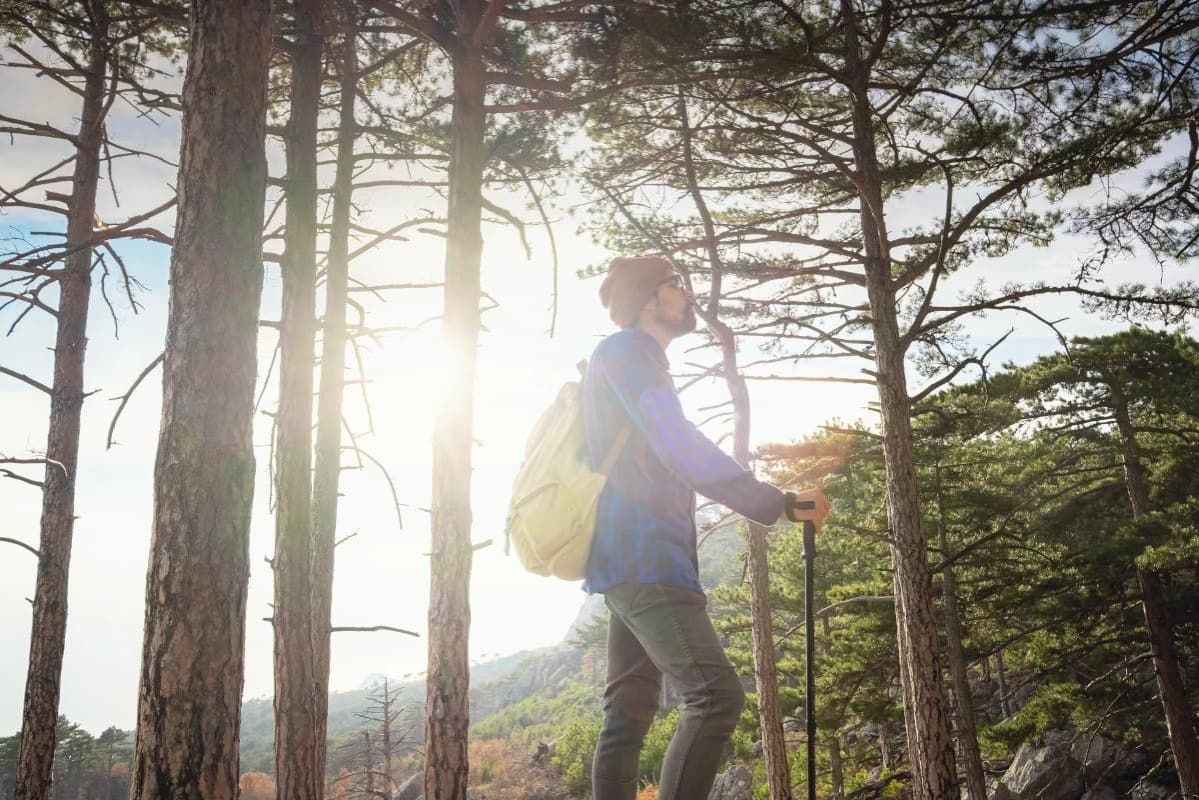
You don’t need to be a seasoned hiker to experience this. A walk through woodland, along a canal towpath or around a local park can achieve the same effect. Moving rhythmically in green space brings cortisol levels down and creates a quiet that’s harder to reach when you’re sitting still indoors.
To make the most of it, try stepping away from your podcast or playlist for part of your walk. Notice the light through the leaves, and listen to what’s around you. These small acts of mindfulness don’t need to be deliberate or formal; they happen naturally when you let them.
Of course, the challenge is carrying that calm back to your desk when the working week resumes. For those who find anxiety returning the moment they re-engage with their inbox, it’s worth looking at the habits and patterns that sit around your day. KlearMinds offers practical strategies for managing anxiety that go beyond the walk itself, helping you build a more resilient baseline rather than simply chasing recovery after the fact.
Physical recovery: Fuelling the reset
Getting outside regularly is a powerful foundation, but it works best when the rest of your routine supports it. One area that’s easy to overlook when you’re busy or burnt out is what you’re eating.
The gut-brain connection is well established in nutritional science. Poor diet doesn’t just affect your energy on the trail; it can contribute directly to low mood and heightened anxiety. When we’re stressed or time-poor, the temptation is to reach for whatever’s quickest, and that often means food that provides a short burst of energy followed by a slump.
Research from the SMILES trial at Deakin University, referenced in Field Doctor’s guide to eating for mental health, found that shifting towards a Mediterranean-style diet rich in vegetables, whole grains and healthy fats led to meaningful improvements in mental health outcomes. Rather than a complete overhaul, prioritising anti-inflammatory foods, staying hydrated and not skipping meals will make a real difference to how you feel both on and off the trail.
For those wanting to be more deliberate about day-to-day nutrition, Sow & Arrow offer a curated range of low-sugar, food-sourced products and supplements built around exactly that kind of considered approach to eating well.
The power of micro-adventures
You don’t need a week in the Highlands to feel the benefit of a proper reset. Some of the most restorative experiences fit into a single weekend.
The concept of the micro-adventure, popularised by adventurer Alastair Humphreys, is built on the idea that adventure doesn’t have to be big, expensive or remote to be meaningful. His microadventures resource is full of practical ideas for short, local escapes that can shift your perspective in a way that a full week of passive rest sometimes can’t. A night camping in your nearest national park, a long day walk followed by a country pub, or even a pre-dawn start on a local hill can each deliver a genuine reset.
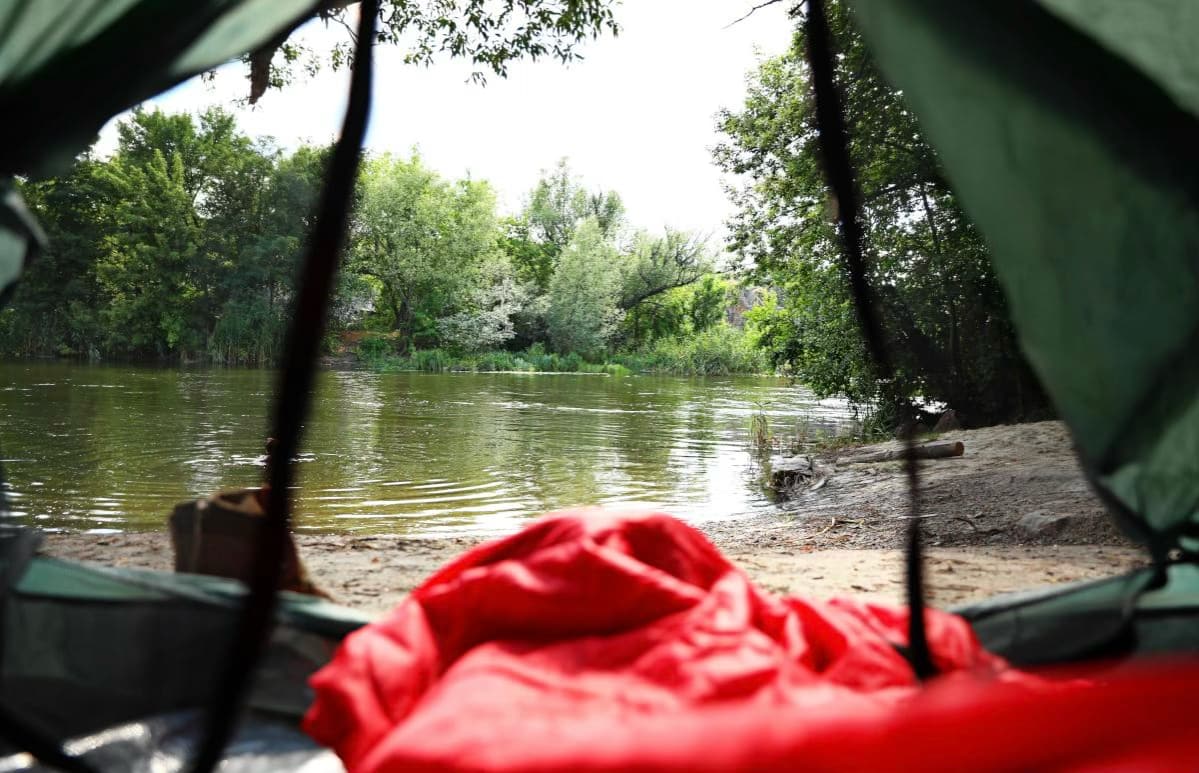
The key is choosing an environment that genuinely unplugs you. That means somewhere with limited signal, limited obligation and enough natural stimulus to hold your attention. Plan ahead enough to remove the friction, but leave enough unscheduled time to actually slow down.
If you’re looking for walking inspiration closer to home, read our guide to why being outdoors is so good for your mental health, with routes and ideas to suit all levels and starting points.
Sustaining the momentum
The real challenge isn’t finding the motivation for a single reset. It’s building a routine where small doses of outdoor time become a regular part of your week rather than a one-off remedy.
Starting small with a 20-minute walk before work, a lunchtime circuit of your local park, or a commitment to one longer walk each weekend can begin to shift how you manage stress over time. As those habits take hold, you’ll likely find they become self-reinforcing. The days you don’t walk will start to feel different to the ones you do.
True recovery from modern burnout isn’t about escaping your life. It’s about building the right conditions within it so that the stress, when it comes, has somewhere to go. The outdoors is one of the most effective tools for that. It’s free, it’s accessible, and for most people in the UK, it’s closer than they realise.
Small steps, consistently taken, make the biggest difference.
Author: Annie Button