Land ahoy! South Georgia rises from the ocean like a lost world. It’s one of the most isolated and protected pockets of land on earth, with breathtaking natural abundance and a haunting human history. As we approach I can’t help but be in awe of the courage it must take to survive in a place like this, one that still feels just beyond the edge of the modern world.
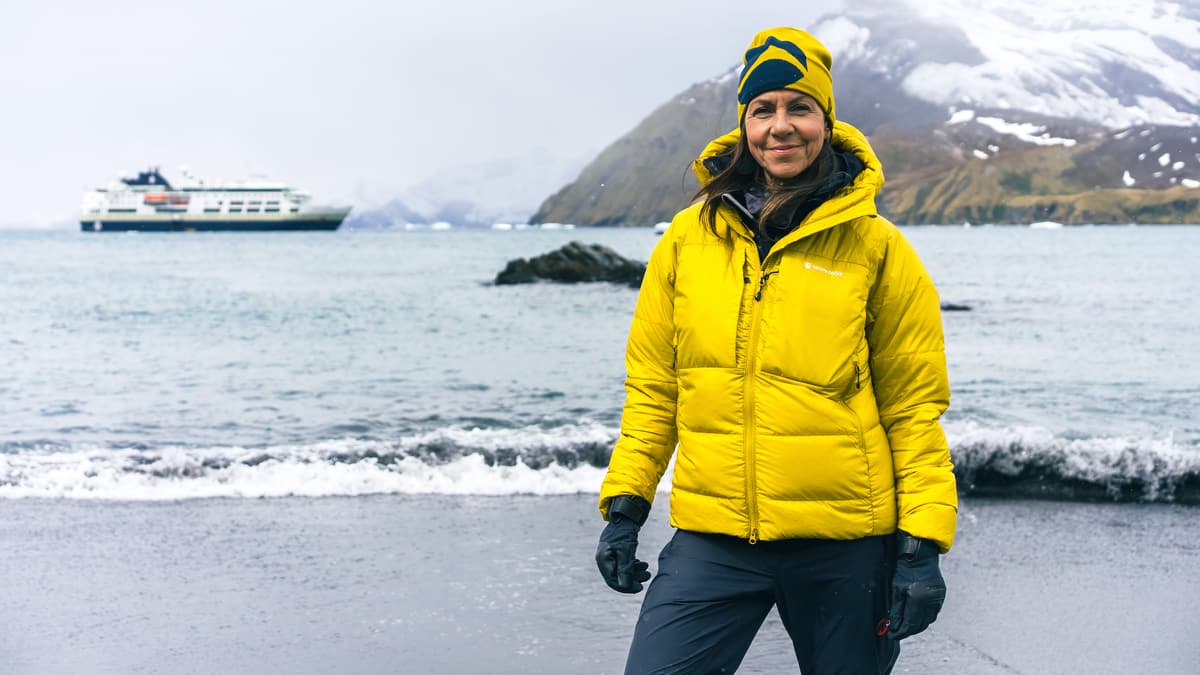
My first landfall here is at Cape Rose, the same place where Sir Ernest Shackleton and his exhausted men landed after their near impossible voyage from Elephant Island. I’m filled with gratitude to have arrived here in comfort on the MS Fram!
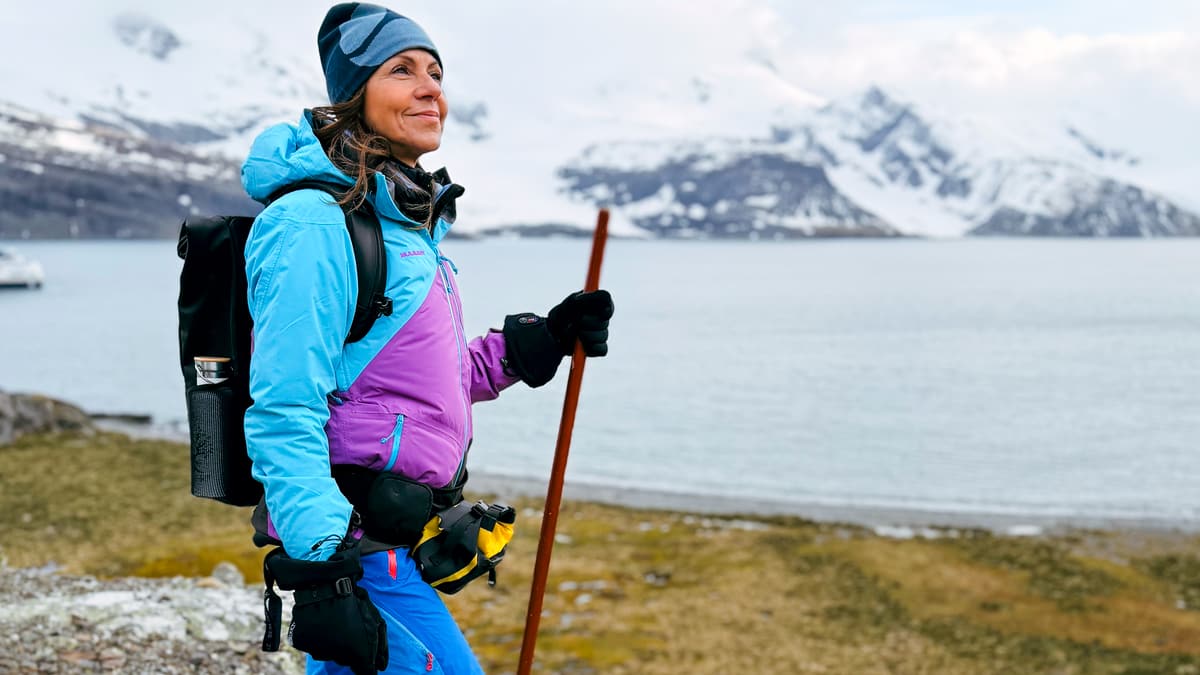
It’s at King Haakon Bay where I first step onto South Georgia soil and am immediately surrounded by elephant seal weaners and king penguins. Elephant seals are the largest of their species in the world, with adult males reaching up to a whopping 6 meters in length and weighing up to 5 tons. King penguins, second in size only to emperor penguins, have huge colonies here in South Georgia, relying on the rich marine ecosystem for their survival. I’m able to hike up from here to a viewpoint over the bay – one that offers breathtaking views and an amazing introduction to this living wilderness.
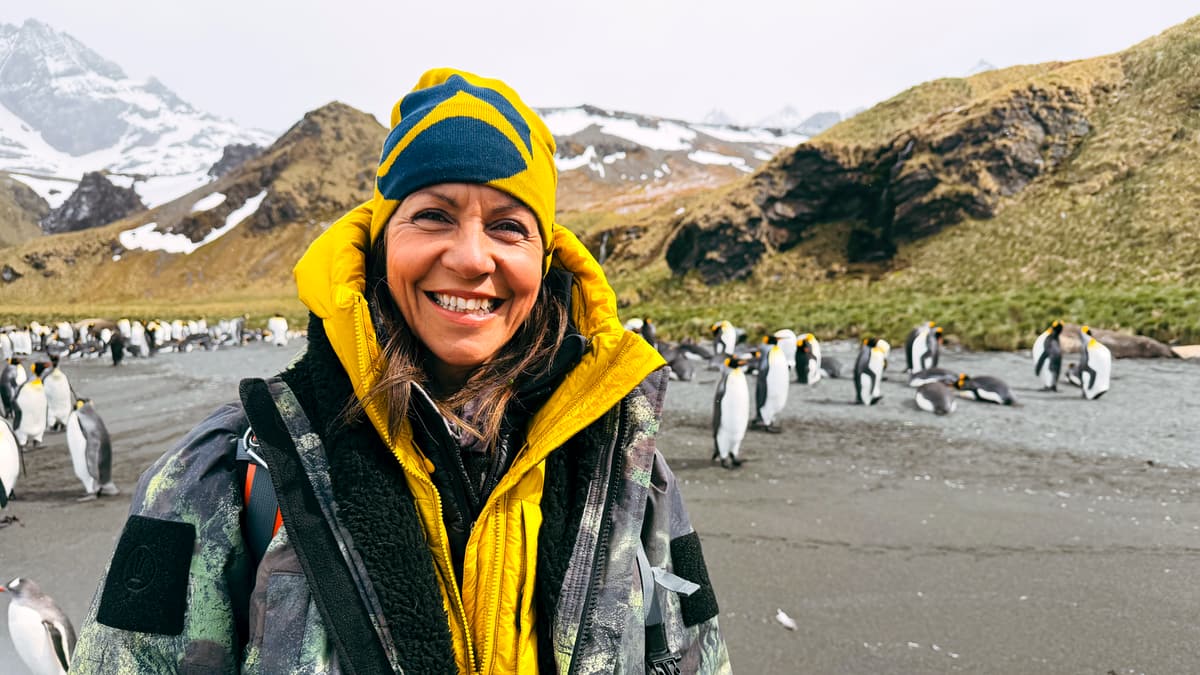
As impressive as the view is, to see more I need to get back on the water so I can explore the coastline by zodiac and see yet another wildlife spectacle at Salisbury Plain – over a hundred thousand king penguins crowded on the beach whilst aggressive fur seals patrol the shoreline looking for a tasty snack. It’s fascinating learning about these birds – how they select their partners and incubate their eggs in such harsh and unforgiving conditions. It’s amazing to think how they have to navigate this fragile ecosystem in order to survive and the constant threat of climate change that could so easily wipe them out. It’s a stark reminder of the delicate balance that enables species like this to live here.
Next stop on my tour of South Georgia shows me a very different side to these lands. Grytviken is an abandoned whaling station that once made South Georgia the epicentre of a global industry. Now it’s just a collection of rusting ships and collapsing buildings – scars the industry left behind. As I explored the whaling platforms and saw the memorials to the thousands of whales lost here, I think back to the whales I’ve already seen on my journey, thankful they are able to live wild and free.
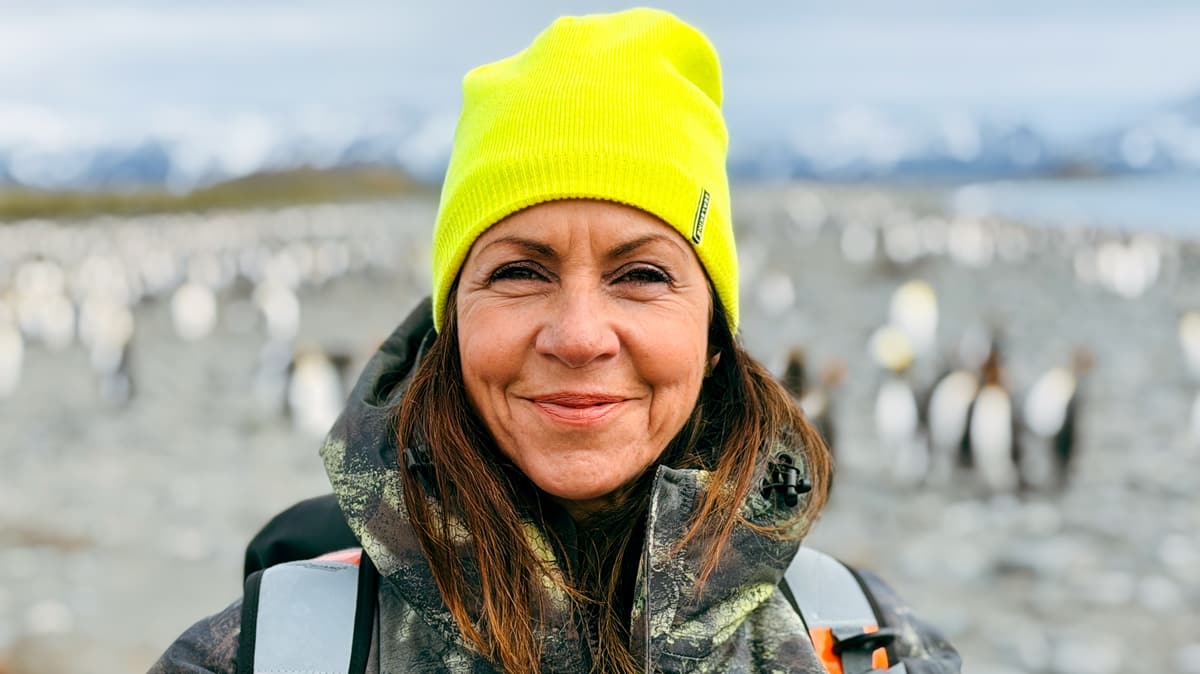
Throughout the years I have walked in the footsteps of some extraordinary people – and here in South Georgia I got to add another to the list as I retraced the final leg of Shackleton’s legendary journey by hiking to the whaling station at Stromness. With the HX Expeditions historian with me, I stood where Shackleton once stood, imagining what he and his men endured to get here – starvation, exhaustion, months of uncertainty and that overwhelming sense of relief when they finally see Stromness, knowing they have survived against seemingly impossible odds.
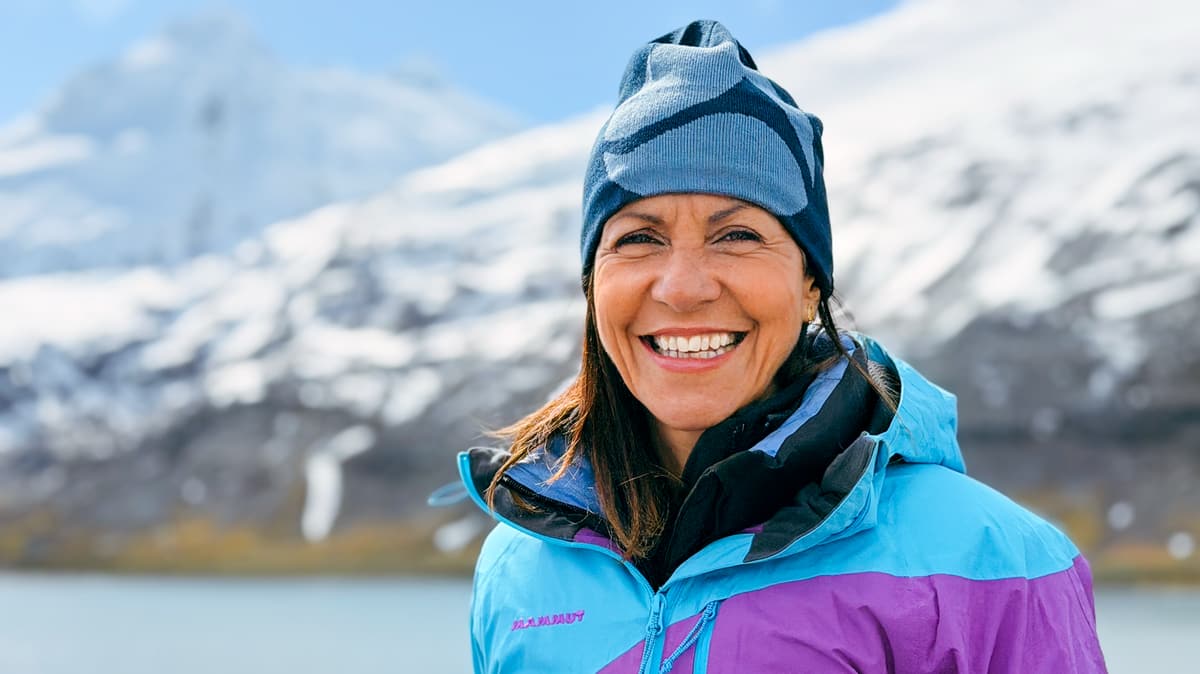
My time in South Georgia comes to a close with another trip on the zodiac. This time to explore the living ocean that surrounds this land – and the floating forest of giant kelp that offers a vital underwater ecosystem for many species – it’s a nursery for fish, supports sea birds and provides food for everything from the tiny plankton to the huge whales that live here.
I say my goodbyes to South Georgia at Gold Harbour – a place where yet more elephant seals dominate the beach beneath towering glaciers, and gentoo and king penguins forage along the shoreline. This is a place of extremes – and an island where nature has very much reclaimed its power.