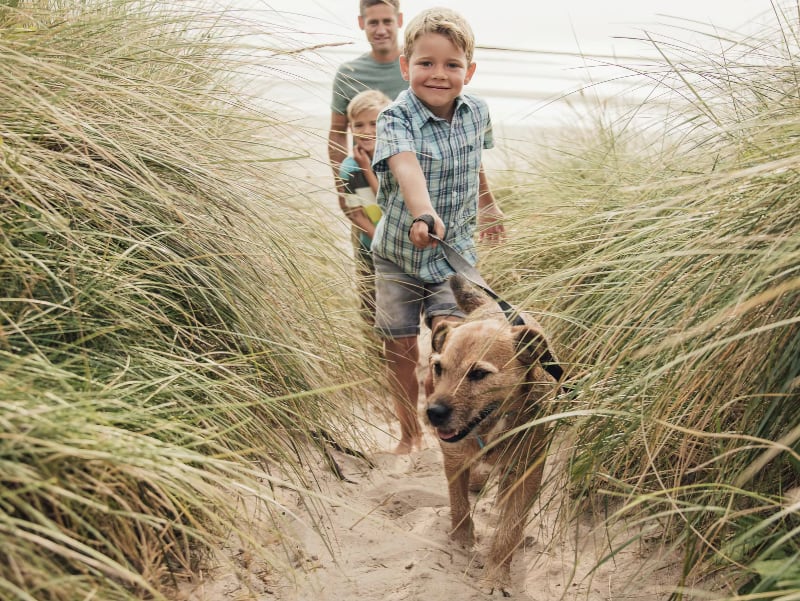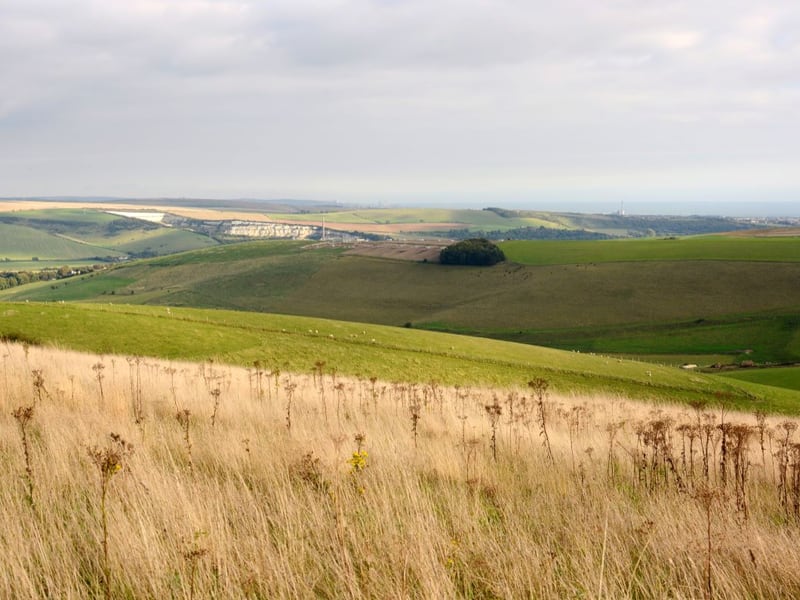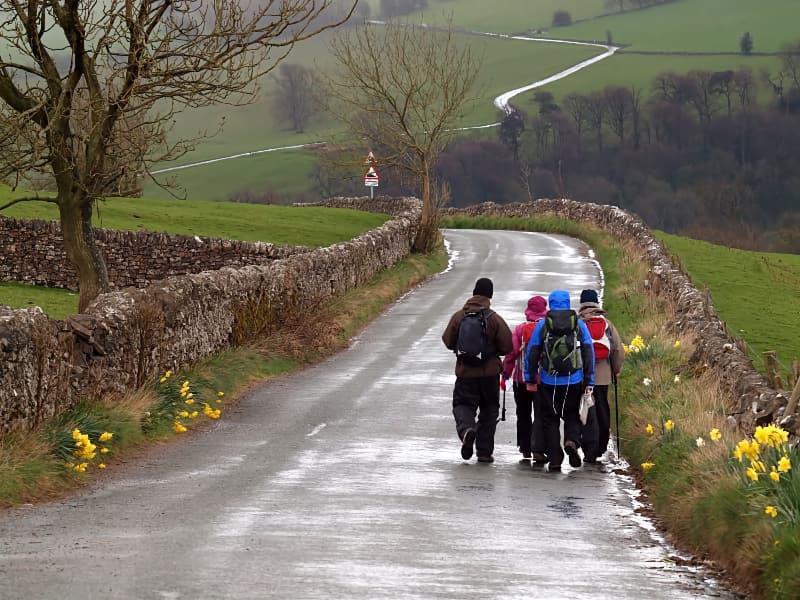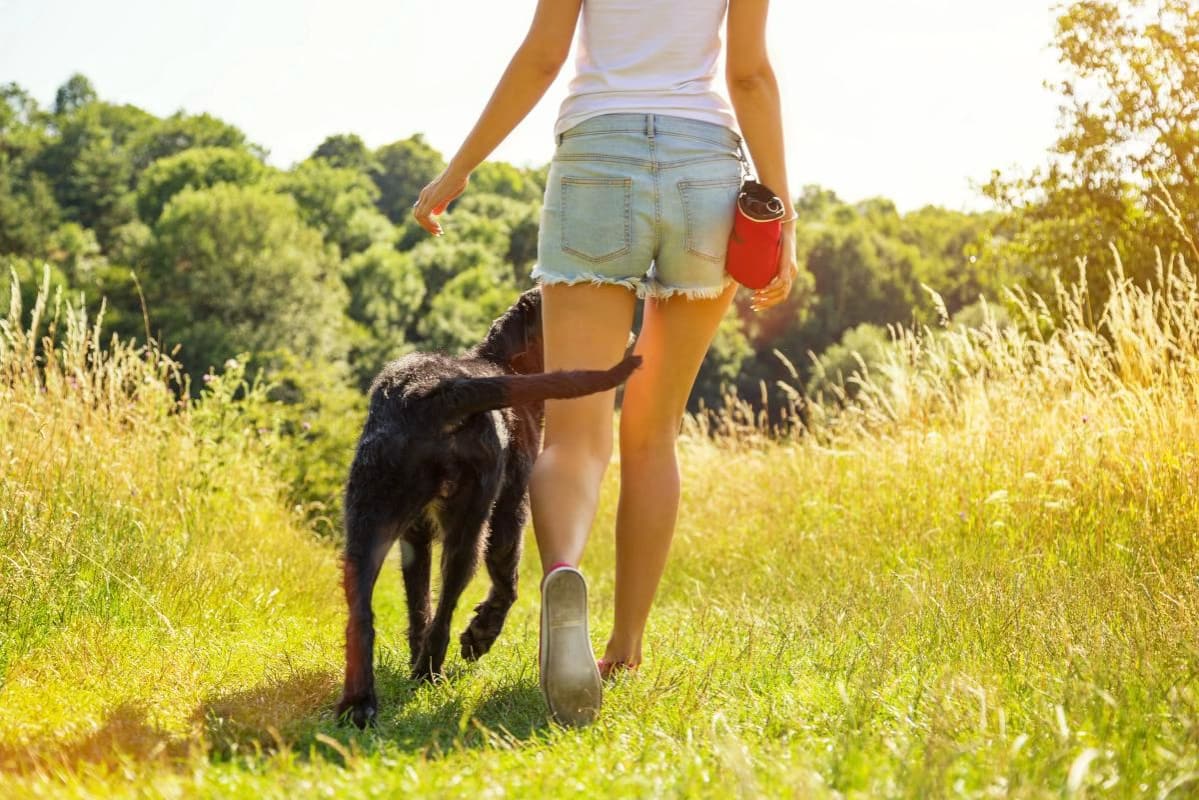
You know the moment. Your hand’s on the lead clip, the field stretches out ahead, and your dog is looking up at you like the rest of the day depends on what you do next. That small pause, weighing it all up, is where every good off-lead walk begins.
Letting your dog off the lead isn’t a switch you flip once they’ve learned a few commands. It’s something the two of you grow into together, walk by walk, until that quiet feeling of trust starts to follow you both wherever you go.
What “off-lead” really asks of you
Off-lead walking isn’t only about recall. It’s about reading your dog, reading the ground in front of you, and being honest about both before you make the call.
A dog who comes back beautifully in your local park might be a different animal entirely with a herd of sheep over the next hill. The skill isn’t getting them to behave in easy places. It’s knowing which places are easy in the first place.
Read the ground before you unclip
A quick look around before you unclip saves a lot of stress later on. Are there livestock in the field, or signs of them? Is it ground-nesting bird season, when curlews, lapwings and skylarks are vulnerable on open moorland and heath? Are you within a tail-wag of a road?
Spring and early summer are particularly worth pausing over. The Royal Kennel Club has clear advice for walking with dogs around livestock that’s worth reading before lambing season really gets going.
If you’re somewhere unfamiliar, default to keeping the lead on. You can always unclip later. You can’t always recall a dog who’s already over the next ridge.
Recall is a relationship, not a command
The strongest recall isn’t the loudest one. It’s the one your dog actually wants to answer.
That means making yourself genuinely worth coming back to. Generous treats in the early days, a proper celebration when they arrive, and never telling them off when they finally turn up. If “come” has ever cut a walk short or led to a scolding, your dog’s already weighing up the maths next time you call.
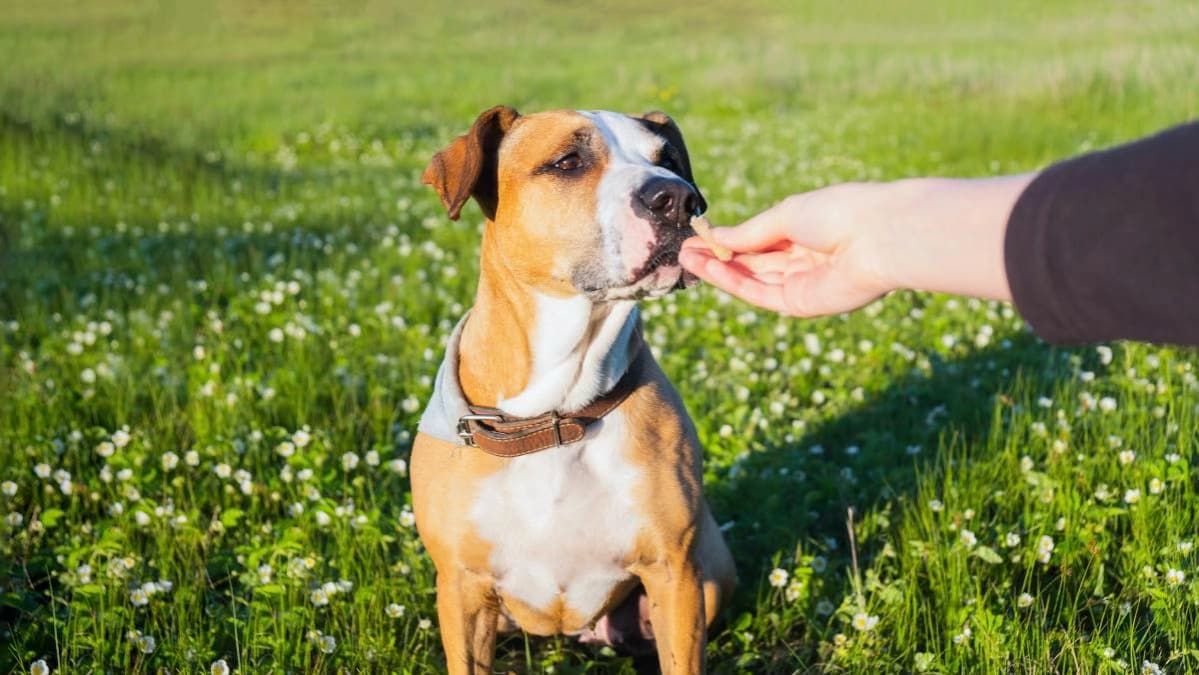
Practise on a long line first. Build the habit in low-distraction places before you ask for it on a clifftop, and be accepting that it might just take longer than you think it should. Most dogs need months of patient practice, not weeks.
The kit that earns its place
You don’t need much, but you do need the right few things.
- A long training line for early off-lead practice, somewhere between five and ten metres
- A proper treat pouch so rewards are quick and clean
- Decent waterproofs, because half the British year is wet
- A Dicky Bag or similar so you can carry the inevitable without spoiling the walk for anyone else
Buy once, buy well, and you’ll be glad of it on every wet Sunday for the next ten years.
Start small, build slowly
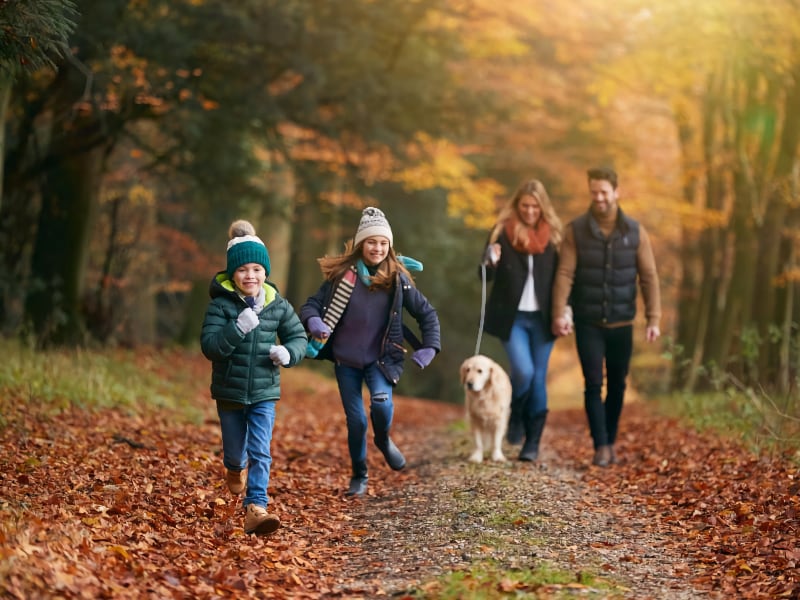
Your first off-lead walks should be the easy wins. Enclosed dog-friendly fields are perfect for early practice, and quiet woodland paths well away from livestock and roads come a close second.
TOG’s dog-friendly walks are a good place to look for routes that suit beginners and old hands alike. Pick somewhere your dog can succeed, give them a few good walks there, and only then start widening the circle.
Know your dog, honestly
Some dogs settle into off-lead life early. Others need significant time, training and life experience to get there. A few breeds, particularly those with strong prey drive, may always need a long line in certain environments, and there’s no shame in that.
The honest question is whether your dog is ready, and whether you’ve put in the work to know for sure. Adolescents who’ve never met sheep aren’t ready. Rescue dogs still settling into their new world aren’t ready. A dog who’s still learning their name probably isn’t either.
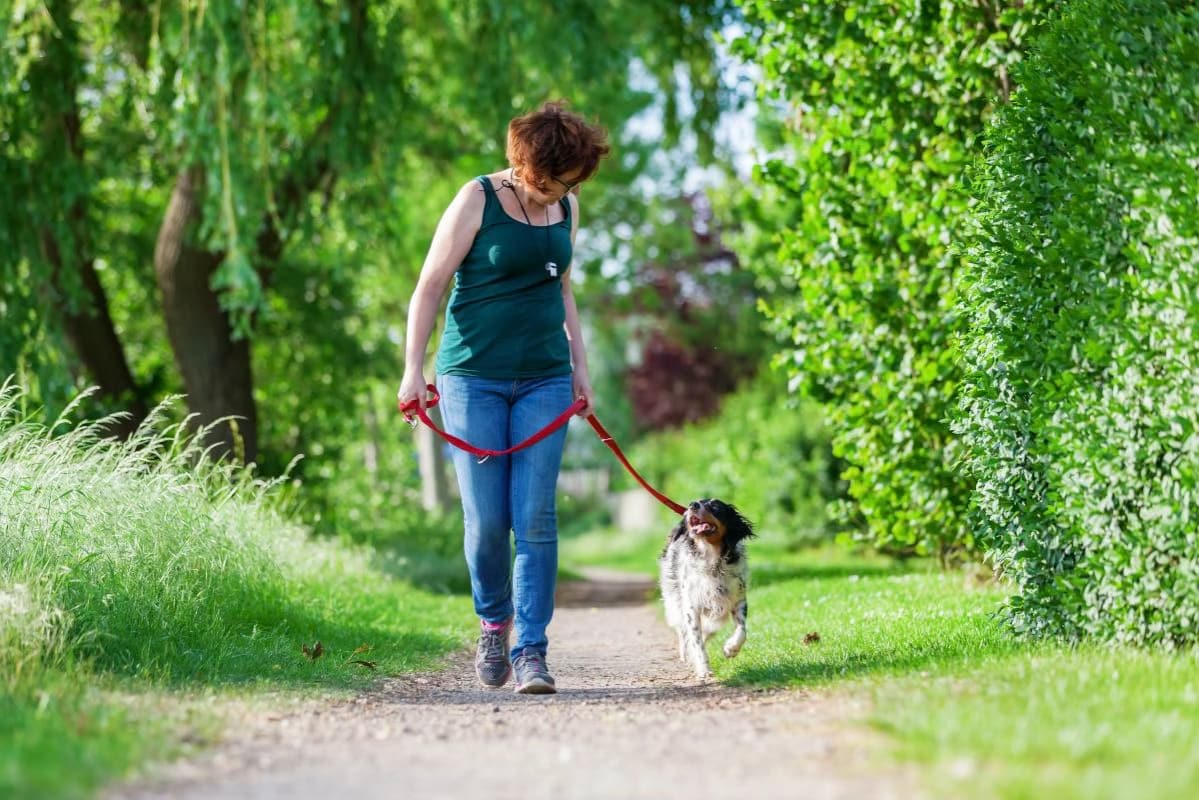
For some owners, the long road to off-lead reliability simply isn’t realistic. Maybe you’ve had a difficult time with training in the past and the anxiety of it puts you off trying again. Maybe work or family life genuinely doesn’t leave the months of consistent practice that recall really needs. Maybe you’re bringing a dog into a household with young children, or alongside an older dog, and you’d rather start from a settled, well-mannered baseline than work back from chaos.
In those situations, a fully trained companion dog is worth understanding as an option. The foundations of recall, neutrality and good manners are already in place, which shifts the question from “will they come back?” to “where shall we walk today?”
That said, no dog comes home and stays trained on its own. Recall is a habit, and habits need keeping up. A trained companion dog gives you the best possible start, but you’ll still want to walk the same path the rest of this piece describes: read the ground before you unclip, reward generously every time they come back, start small and build slowly. The training never really finishes. It just gets quieter.
The walks that come after
The reward for all of this is the walk that doesn’t feel like work. You’re not scanning for danger every thirty seconds. They’re not on a hair-trigger for the next squirrel, and you’re just walking together, the way you always pictured it.
That quiet companionship, a dog choosing to stay near you because they want to, is one of the simple pleasures of the British outdoors. Take your time getting there, because the walks that follow will be worth every patient month it took.
Author: Annie Button