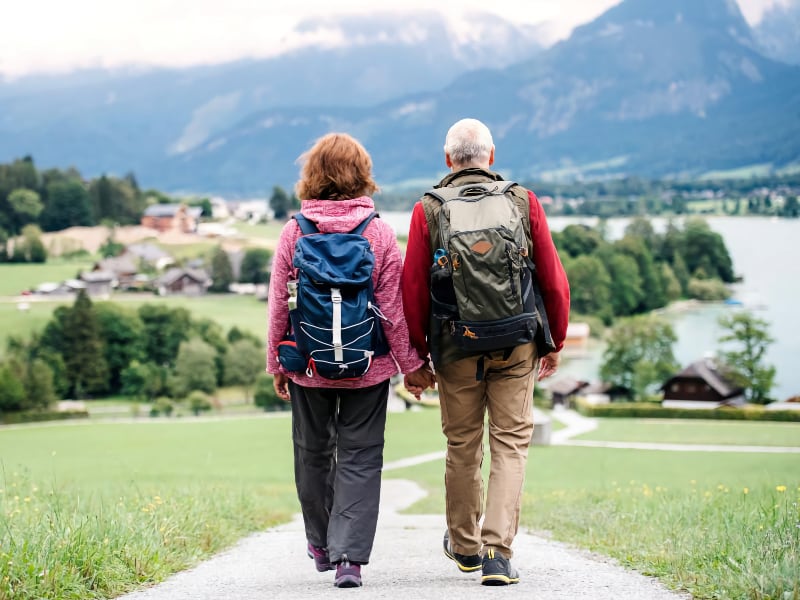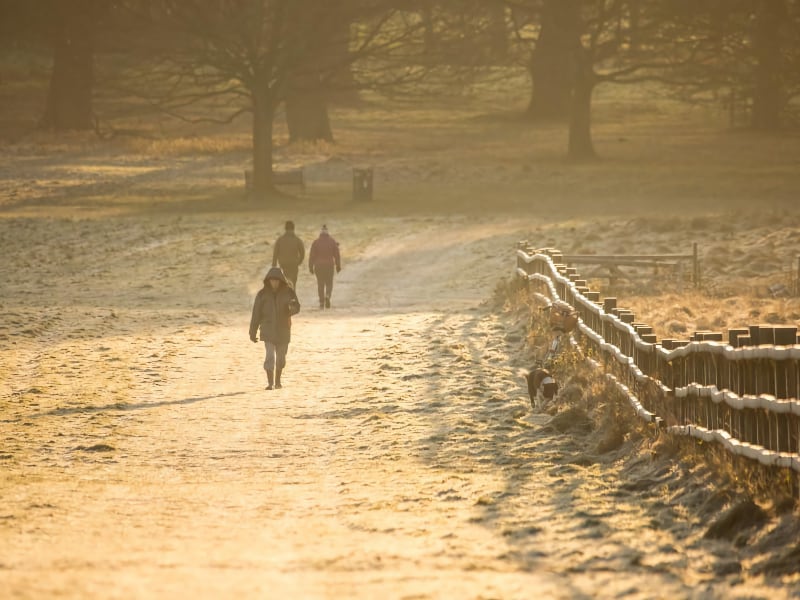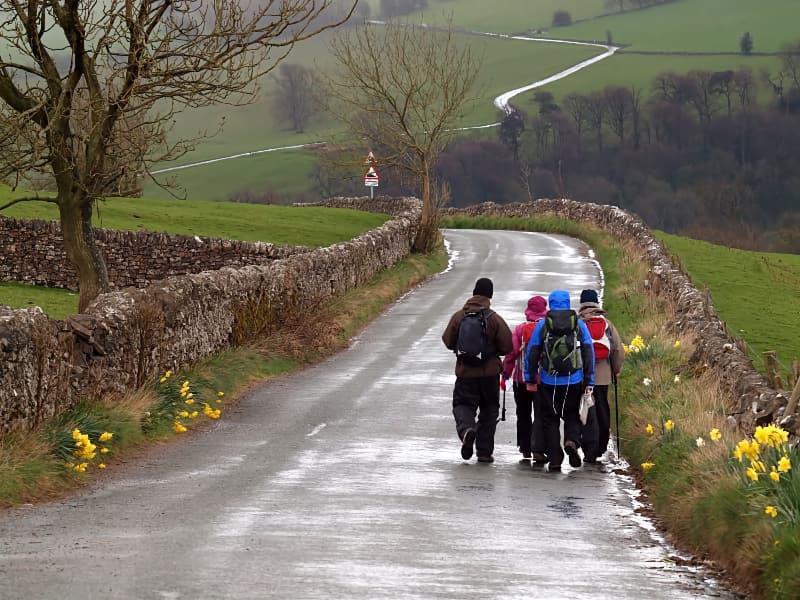
May has a particular quality to it. The light hangs around for longer, the mornings stop being a battle, and the urge to be outside starts to win against the urge to stay on the sofa. It’s the easiest stretch of the year to step out of the door, and that’s exactly what makes it the right moment to start something.
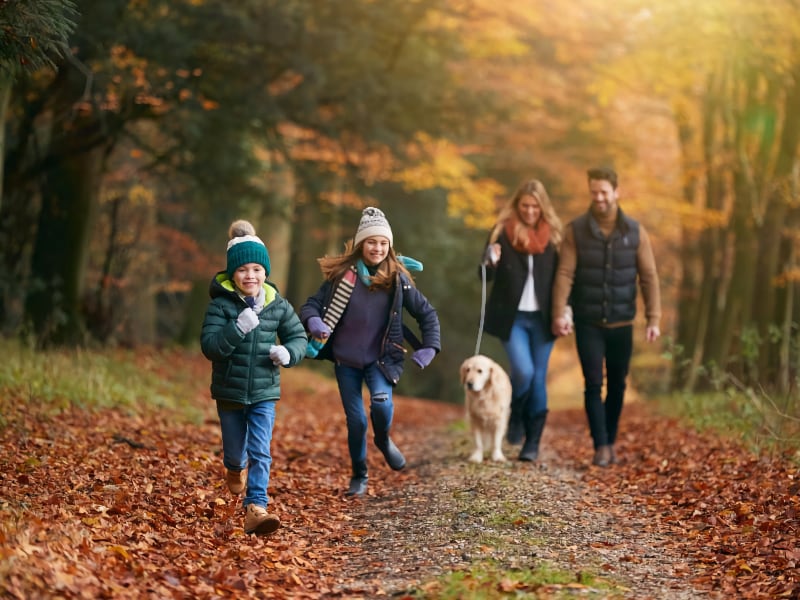
All through May, Living Streets is running its annual #WalkOut campaign, asking people to walk for 20 minutes a day for the whole month. The idea is wonderfully simple. You don’t need new kit, you don’t need a plan, and you don’t need to be a hiker. For a lot of women, particularly the ones who feel pulled in too many directions to think about exercise, it’s the most useful nudge of the year. Whether you join on day one or day twenty, the habit works the same way.
Why May works when January doesn’t
Every January, half the country resolves to move more, and most of those resolutions are quietly retired by mid-February. There’s a reason for that, and it has nothing to do with willpower. Starting a daily walking habit in the dark and the wet is a tall order. Beginning one in May, when the evenings stretch and the parks come back to life, is something else entirely. The month is doing most of the work for you.
The Living Streets #WalkOut idea works because it doesn’t ask very much. Twenty minutes is a coffee, a phone call, the time it takes to fold a load of washing. You can do it before work, on a lunch break, after dinner, or in the gap between school pickup and the start of the evening. The Outdoor Guide has covered Julia Bradbury’s support for the campaign in detail, and it’s worth a read if you want a sense of the spirit behind it. If you’d rather go straight to the source, Living Streets has its own hub for National Walking Month with daily prompts and a free checklist to keep you going.
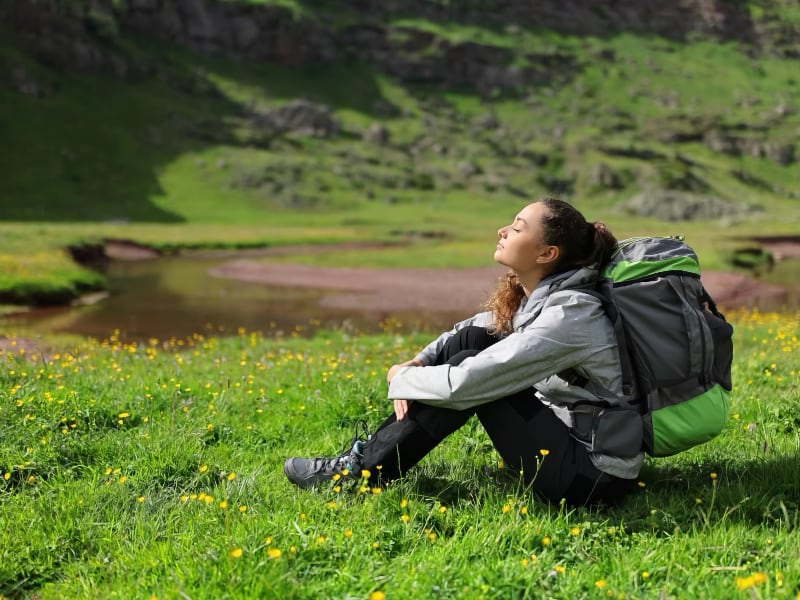
Twenty minutes a day across May adds up to roughly ten hours of being outside. That’s ten hours of slower breathing, ten hours of letting your eyes look at something further away than a screen, and ten hours of moving your body in the way it’s built to move. It doesn’t sound like much, but it is, and if you’re picking the idea up partway through the month, those hours are still yours to build from whatever day you happen to be reading this.
What daily walking does (especially for women)
Walking is already the most popular form of activity in the country, but the gap between men and women hasn’t closed in a meaningful way for years. Sport England’s most recent Active Lives Adult Survey found that women are still less likely than men to meet recommended activity levels, 62.2% compared with 67.3%. Time, energy, juggling work and family, and the simple fact that the world isn’t always built to make movement easy for women all play a part.
The honest answer to what daily walking does is that it gives a lot of those things back in small pieces. Sleep tends to improve first, usually within a week or two, and energy follows.
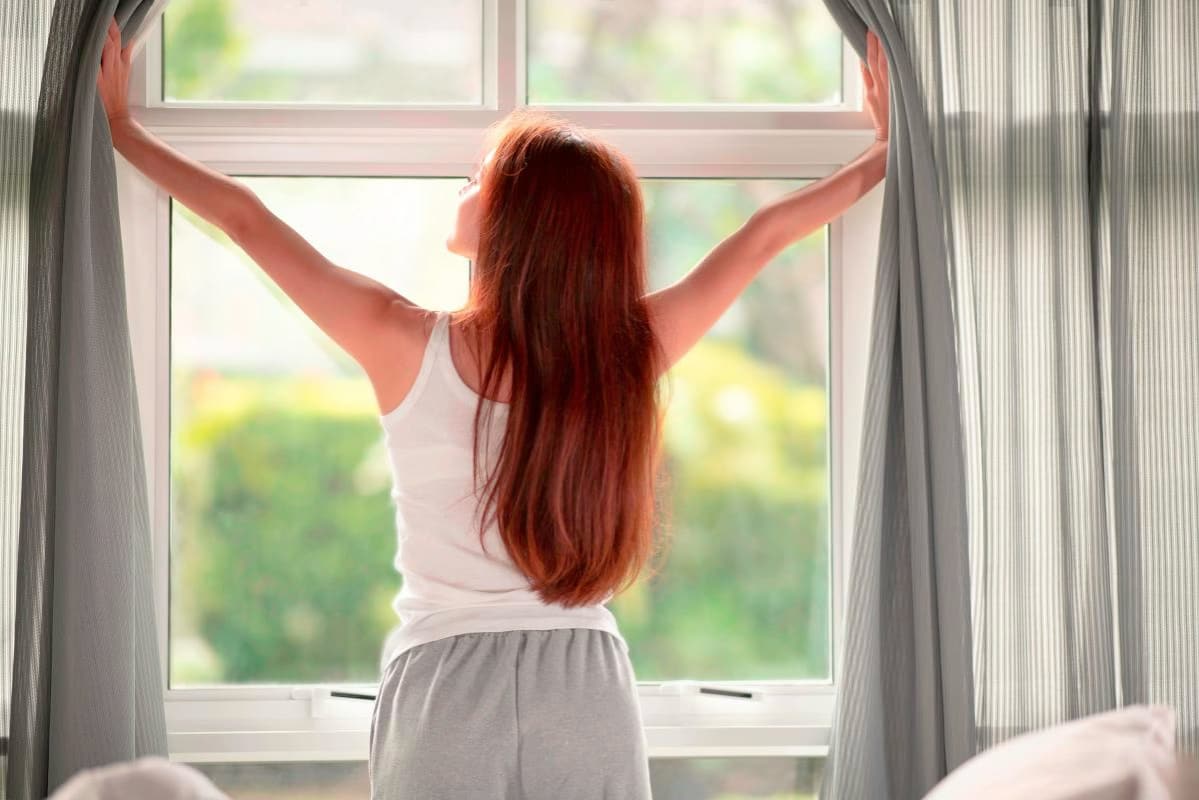
Mood shifts in a quieter way, something like a slow widening of the gap between you and whatever’s been pressing in. You start noticing things outside your own head: the early morning birds, the way the air smells different at 7am and the neighbour’s dog. None of this sounds dramatic, and that’s the point. The drama is what walking gently takes the edge off.
Where walking helps, and where it needs more support
It’s worth being honest about the limits of that, though. The activity gap for women isn’t only about time and logistics. A lot of it is about what women are carrying invisibly: the mental load of running a household, the low hum of worry that builds across a week, the sense that everything that needs doing has to go through you first.
The Mental Health Foundation sets out the social factors that shape women’s mental health in some detail, and the picture is more layered than it’s often given credit for. Walking helps with that, in the same gentle way it helps with everything else. It softens the edges. It gives the worry somewhere to go for twenty minutes.
But if that worry has settled in deeper than a busy week can explain, walking helps without carrying the whole weight of it. That’s the moment talking to a counsellor about anxiety can become genuinely useful, and services like Hope Therapy and Counselling Services exist precisely because so many women reach that point and don’t always recognise it. A daily walk and a regular conversation with the right person are a strong combination. One doesn’t replace the other.
The first two weeks (where habits are made or lost)
Whenever you begin, the first fortnight is the part that decides everything. Most people who quit a walking habit quit in week two, and usually for one of three reasons, be that bad weather, a busy day that swallowed the time, or the sense that they’re not really doing it properly.
None of those is a real reason. The weather in May is rarely bad enough to stop you, a light waterproof solves most of it, and twenty minutes can be carved out of almost any day. As for doing it properly, there’s no such thing. A loop around the block counts. A walk to the post box and back counts. A slow wander while you’re on a phone call counts.
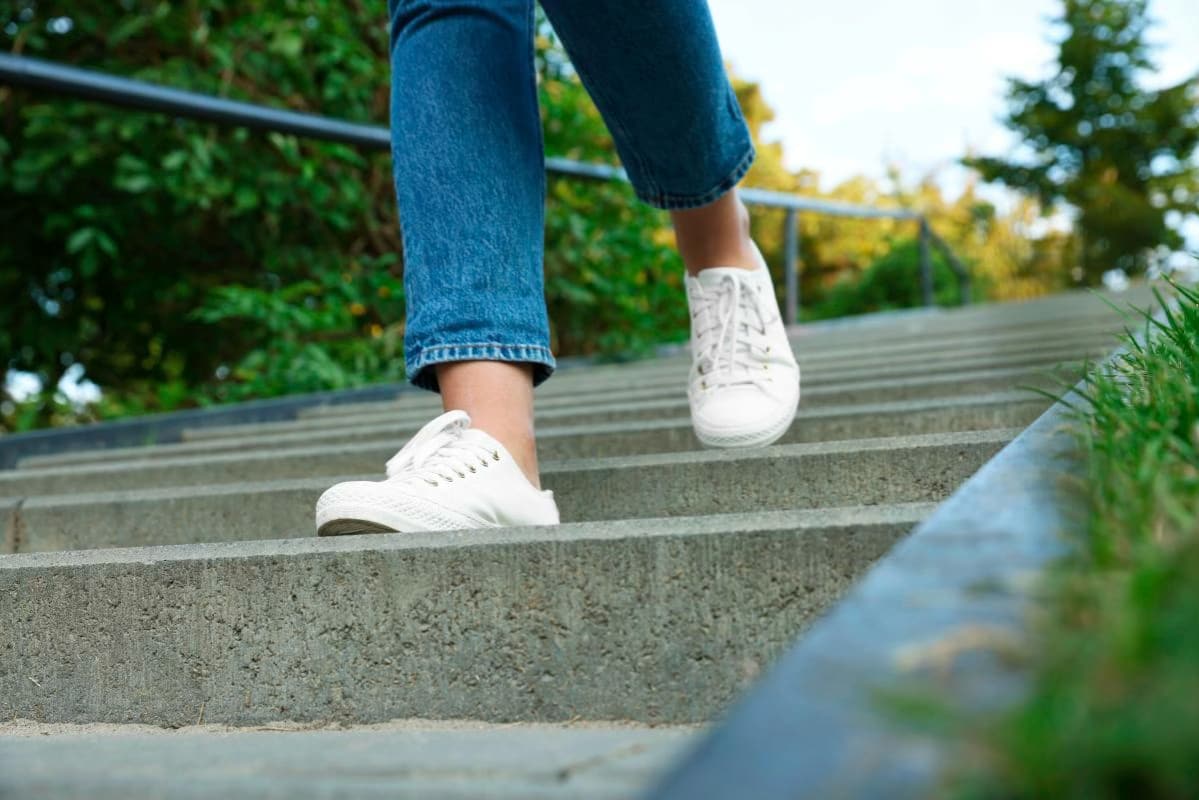
A few small things tend to help. Walk at the same time each day if you can, because the body learns rhythms faster than it learns rules. Find one route close to home that you can do without thinking, so you have a default for the days when you can’t face deciding. Walk with someone once or twice a week, because it’s harder to skip a walk you’ve promised to share. And on the days when you really don’t feel like it, go anyway, for ten minutes if not twenty. The walk you do reluctantly is almost always the one you’re most glad of afterwards.
Beyond May
The trick with #WalkOut isn’t really about getting through May. The trick is what happens in June, when the campaign ends and the daily prompt disappears. By then, hopefully, you’ve got at least a few walks behind you and have some evidence about what daily walking does for you. The temptation will be to ease off. The way to resist it is to keep the bar low. Five short walks a week is a sustainable place to land. Three is still a habit. Two is still something.
By autumn, if you’ve kept any version of it going, walking stops feeling like a thing you do for your health and starts feeling like a thing you do because the day feels wrong without it. That’s the shift that matters. Not the calories, not the steps, not the streak. The quiet recognition that being outside is part of how you live now.
At whatever point you read this, the message of the month is still inviting you out. That’s the only thing it really asks.