

One hundred years ago a group of mountaineers and outdoor guides set themselves a challenge – to climb the three highest peaks of England, Scotland and Wales and so began what we know today as the 3 Peaks Challenge. Typically it’s done within 24 hours (although the time taken wasn’t part of the original challenge) and is often done to raise funds for various charities. This year the challenge got the royal seal of approval when Catherine, the Princess of Wales took on the challenge in aid of the hospital that helped her when she received her cancer diagnosis.
It’s one of Britain’s ultimate endurance events – it includes around 23 miles of walking, more than 10,000m of ascent – plus a drive of around 460 miles. It tests you physically, mentally and emotionally – especially if you are aiming to come in under the 24 hour mark.
Ultimately, it’s your choice as to whether you do it north to south or south to north – but the recommendation of many experts is north to south for a 24 hour challenge, starting with Ben Nevis as the descent is the easiest to do in fading light and you can then drive during the night to the Lake District.
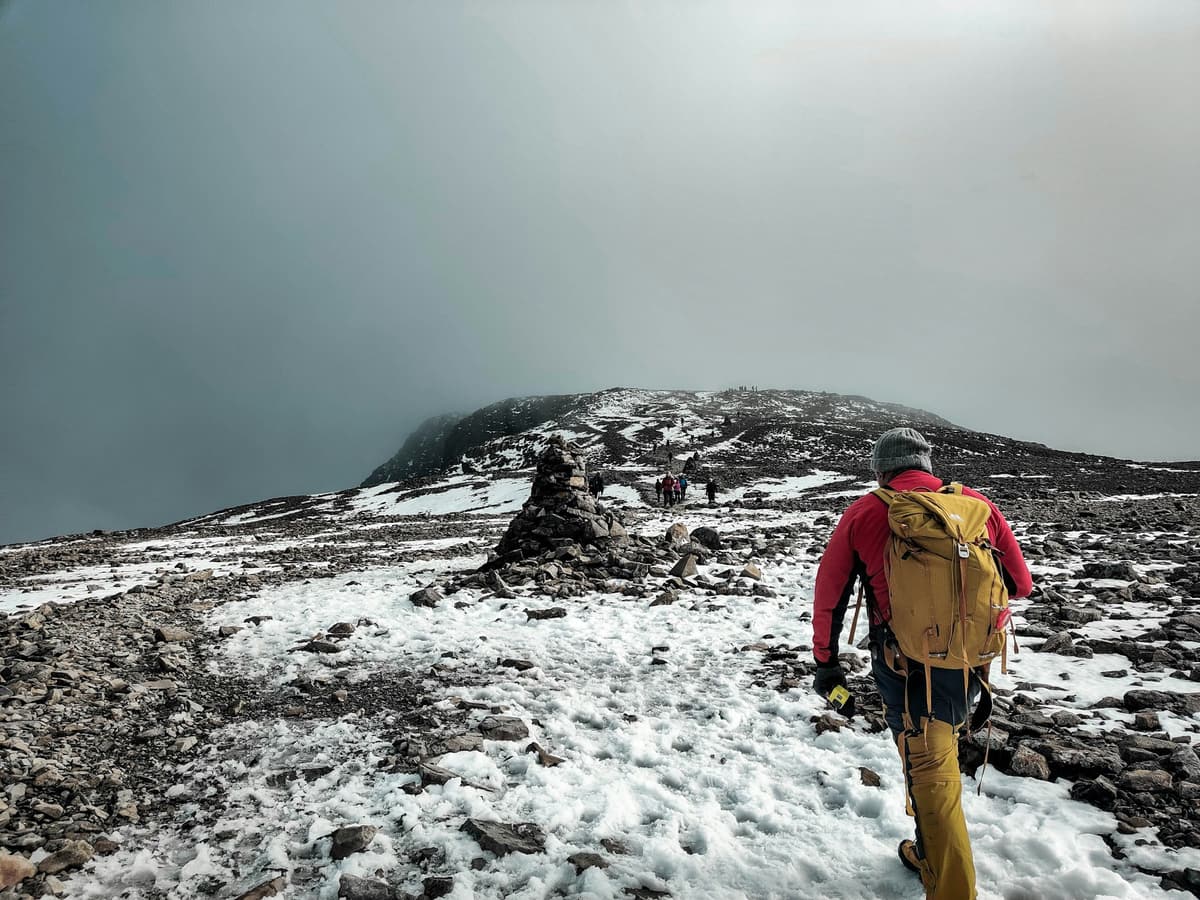
Ben Nevis
Located at the western end of the Grampian Mountains, Ben Nevis is the highest peak in the British Isles with the summit being 1,345m above sea level. It’s an extinct volcano (dating back over 350 million years) and has a large, stony plateau at the summit. There’s a Peace Memorial cairn on the summit that was erected on 15th August 1945 for VJ Day by the Young Men’s Class of Vicar Street Methodist Church, Dudley.
They carried the materials up the peak themselves (including two hundred weight of memorial stone) to be the highest war memorial in Britain.
It’s a formidable walk to do – but one where you need to go well prepared. It’s not uncommon for snow to be falling on the summit in the middle of the summer.
Want to give it a go? We’ve got a route mapped out:
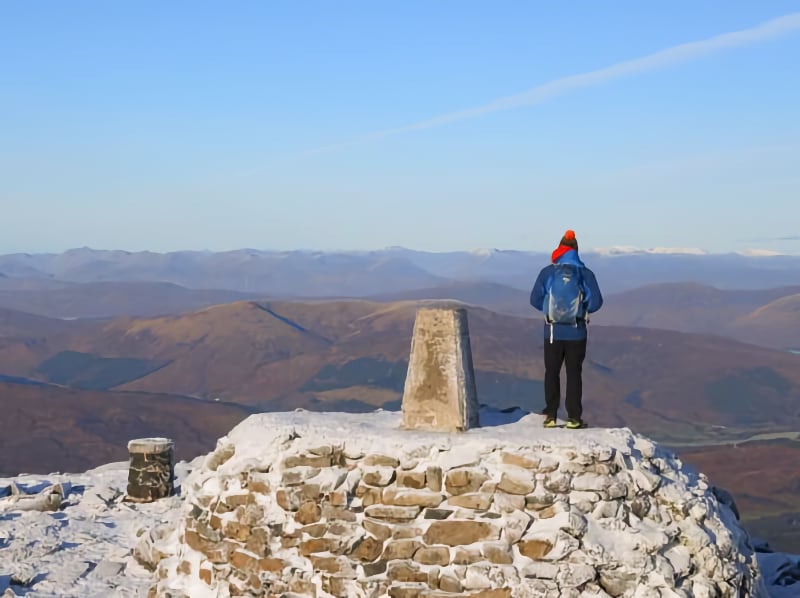
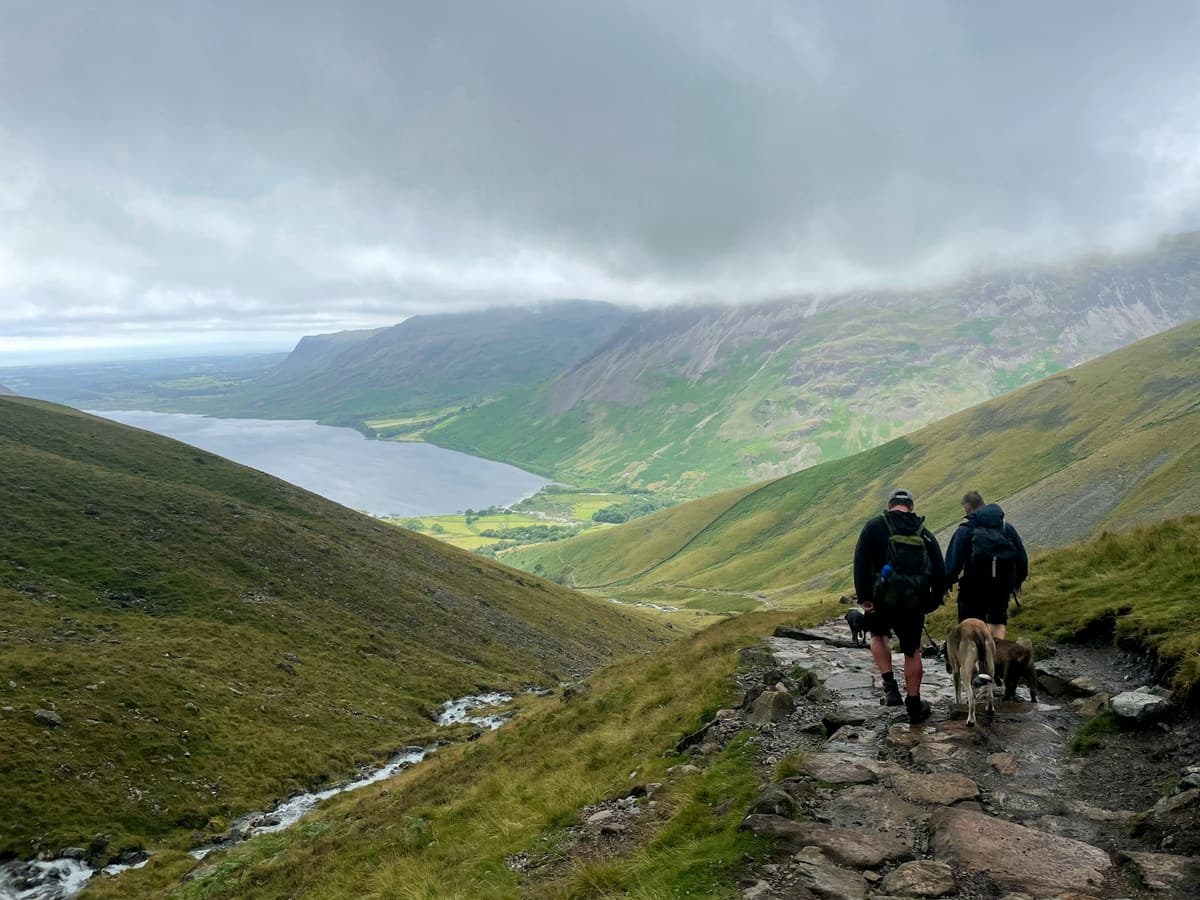
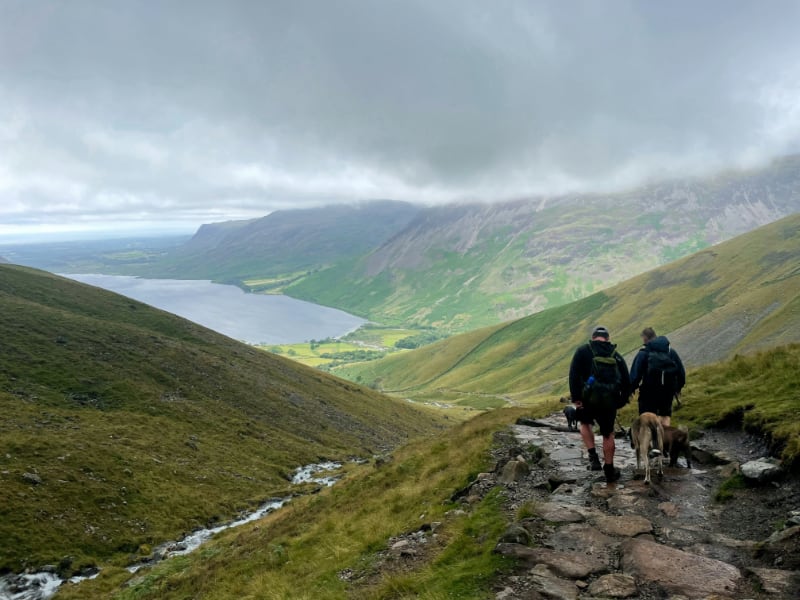
Scafell Pike
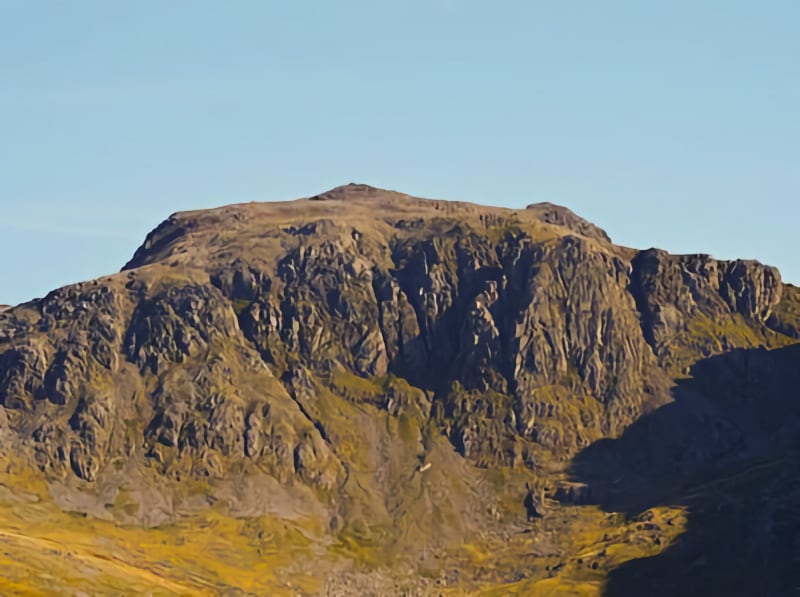
Located in the Lake District, this is the highest peak in England and measures just 978m above sea level at the summit. It consists of igneous rock, with the summit plateau being a boulder field. The summit was actually donated to the National Trust in 1919 by Lord Leconfield to be a lasting memorial to the memory of the men from the Lake District who fell for King and Country, for freedom and peace in the Great War (1914-1918).
There are many walks you can do up Scafell Pike – whichever you decide to do, you need to go prepared for all weathers.
Walkers often face strong winds, heavy rain and low visibility.
Want to give it a go? We’ve got a couple of options for you:
Snowdon / Yr Wyddfa
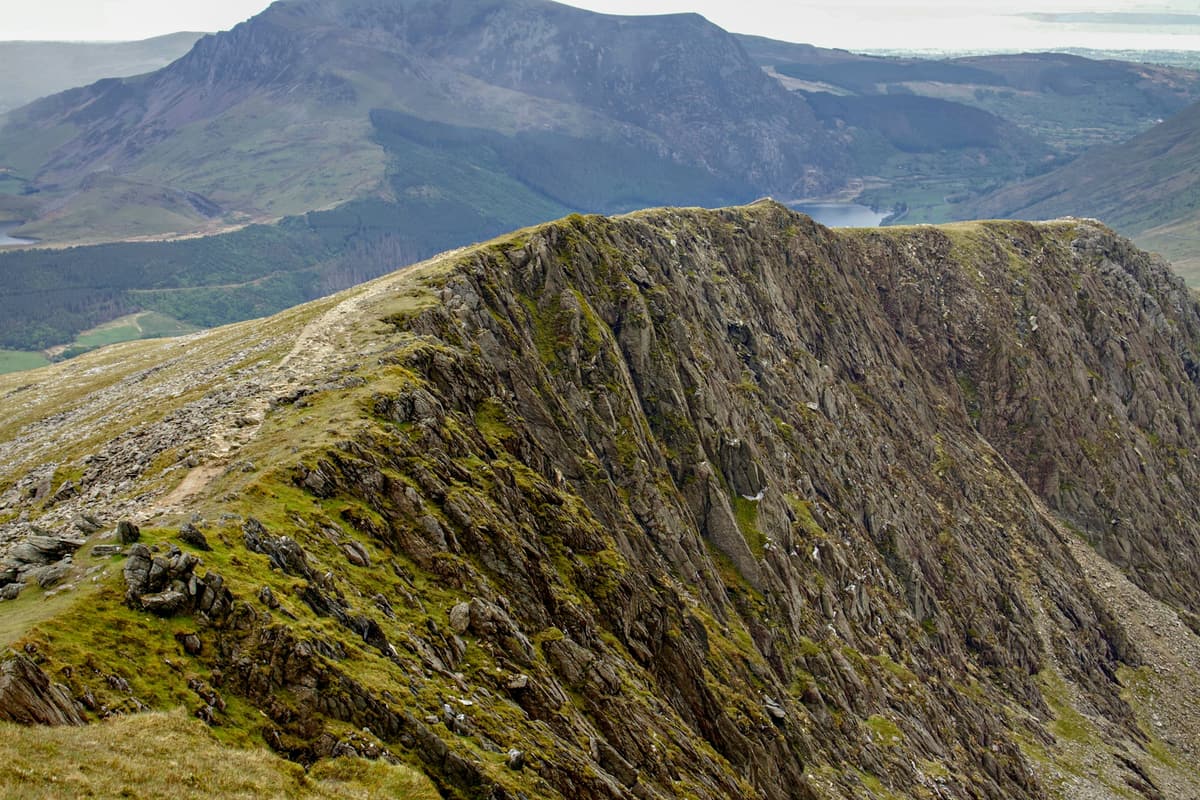
The highest peak in Wales and the highest peak in Britain outside of Scotland, this has often been called the busiest mountain in Britain with over half a million people taking it on every year. It’s also a designated National Nature Reserve thanks to the rare flora and fauna that can be found here. The cliff faces here offer some significant challenges for rock climbers and were used by Edmund Hillary for training ahead of his 1953 ascent of Everest.
There are 6 paths you can take to the summit – or there is the Snowdon Mountain Railway (a rack and pinion railway that opened in 1896) … but won’t count if you’re doing the three peaks!
It is a fierce mountain and the weather can be unpredictable. Walkers often face strong winds, heavy rain and low visibility so you must go prepared and have appropriate kit with you.
If you’re blessed with a clear day – the views from the summit are some of the finest anywhere in the world.
Want to give it a go? We’ve got you covered:
If you’re feeling inspired to take on the challenge yourself … you need to make sure you prepare well. Make sure you have sturdy walking shoes (that have been worn in), have layers and waterproofs with you and plenty of food and drink to keep you going. Whilst you may want to do the walking on your own – have someone with you to be your driver so you can get plenty of rest as you travel from one place to the next.
And if you’re wondering which cause you could raise money for by doing it … we might be able to help.
Author: Holly Barber